Running Analysis – Gait/Motion Analysis


running-analysis

What is it

It is a specialized biomechanical analysis procedure, which involves a detailed recording and understanding of an individual’s movement pattern during running or walking (gait). Its goal is to record the kinematic and kinetic parameters of movement (joint angles and loads) and to identify imbalances or dysfunctions that may be related to existing injuries, increase the risk of future injuries, or limit functionality/athletic performance.

Who is it for

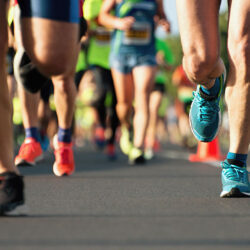
  • Professional/Amateur Runners, who suffer from chronic pain or recurrent lower limb injuries (e.g. knee pain, plantar fasciopathy, tendinopathies, etc.) and are seeking possible biomechanical causes that hinder full recovery.
  • Professional/Amateur Runners, who want to improve their technique, increase running economy, and prevent future problems.
  • Patients with gait dysfunctions, who face issues with smooth and safe walking due to neuromusculoskeletal injuries (e.g., after a lower limb fracture, post-hip/knee arthroplasty, etc.) or neurological conditions (e.g., post-stroke patients, those with multiple sclerosis, etc.).
runners
sports-physio-steps

What it includes

  1. Comprehensive Clinical Assessment
    • History Taking: Recording of medical, injury and athletic history, as well as personal goals.
    • Clinical and Functional Assessment: Specific clinical and functional tests to identify potential causes.
  2. Movement Analysis with Modern Technology (Running/Gait Lab)
    • Data Acquisition (2D Video): Video recording of the individual during running or walking, on a treadmill or on the ground (depending on the case), from two views (side and posterior view).
    • Kinematic Analysis (AI-Driven): The video is analyzed with a specialized application that uses Artificial Intelligence techniques (Neural Networks), which produce and present accurate kinematic data (joint movement angles, cadence etc.).
    • Kinetic Analysis (Optional): Option to use smart insoles with sensors, placed in the examinee’s shoes, to record the kinetic data of the movement (forces, pressure distribution and ground contact times).
  3. Individualized Treatment Plan Design and Counseling
    • Personalized Plan: Creation of a targeted rehabilitation and movement improvement program, based on the analysis data.
    • Counseling: Advice on symptom self-management, selection of appropriate footwear/shoes and injury prevention strategies.
  4. Re-evaluation and Plan Adjustment
    • Continuous re-evaluation of progress and adjustment of the treatment plan whenever necessary.